




June 22, 2026 / Dentistry
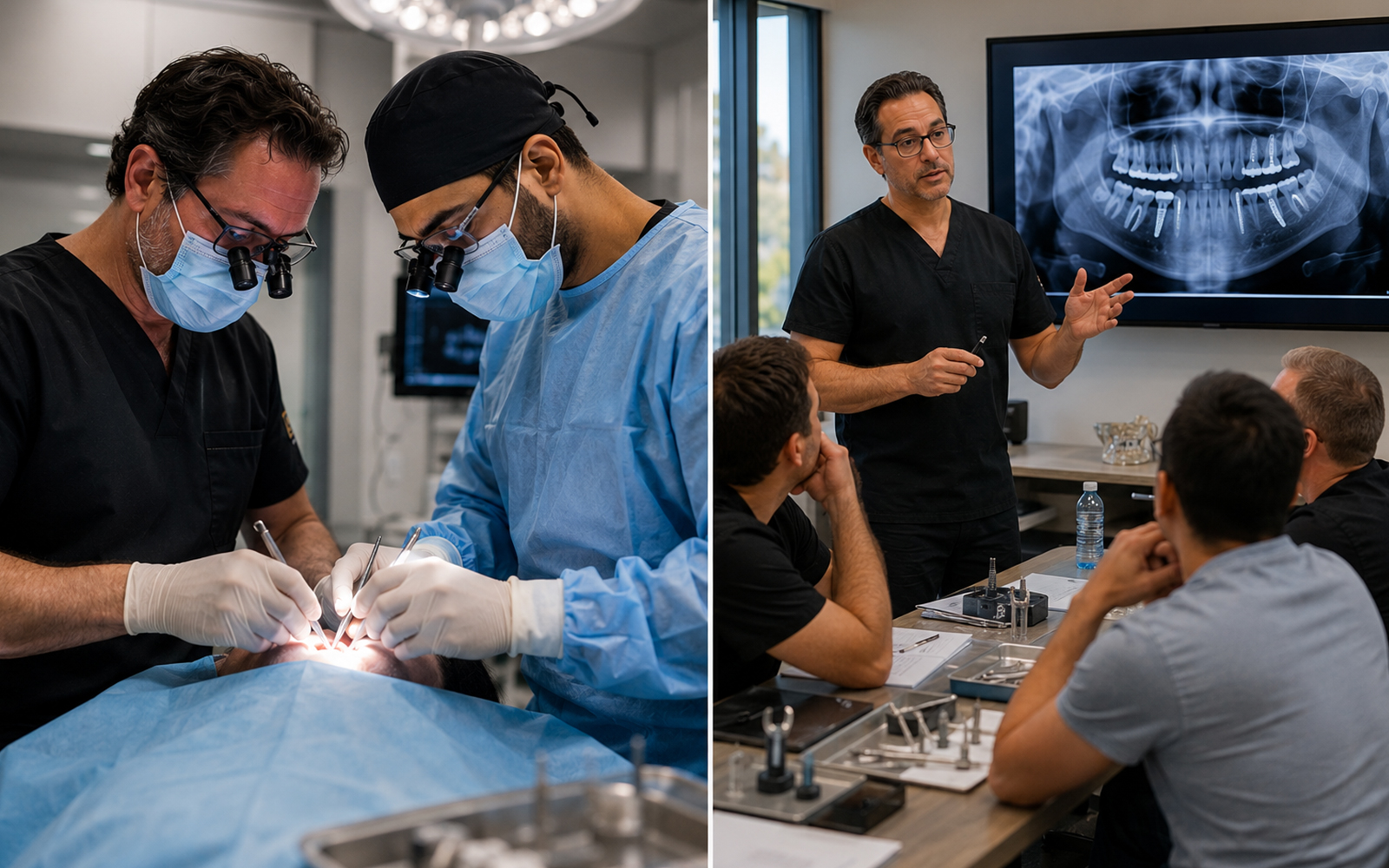
Choosing how to continue your implant education is an important decision, and there is no single path that suits every general dentist. Dental implant mentorship and a structured implant residency each offer valuable learning opportunities, but they serve different purposes depending on your experience, goals, and the type of support you're looking for.
For some dentists, a focused mentorship may provide practical, case-based guidance that fits their current stage of practice. Others may prefer the consistency and broader curriculum that often comes with a structured residency. Rather than asking which option is better, it can be more helpful to ask which learning environment best matches where you are today and where you'd like your implant journey to go next.
Before comparing education formats, take a step back and think about your current level of implant experience. The right learning pathway often depends less on years in practice and more on what you're hoping to achieve.
Some general dentists are preparing to place their first implant and want guidance as they begin treating carefully selected cases. Others may already have experience with straightforward implant procedures but are looking to build confidence with treatment planning, surgical decision-making, or more advanced situations. Those goals can naturally influence which educational format feels like the best fit.
It's also worth considering how you prefer to learn. Some clinicians enjoy working through real patient cases with individualized feedback, while others appreciate a structured curriculum that follows a defined progression over a longer period. Neither preference is inherently better. They simply reflect different learning styles and professional objectives.
Questions you might ask yourself include:
Taking time to answer these questions can make it easier to evaluate different educational opportunities without focusing solely on course length or format.
One of the biggest differences between mentorship and residency is how the learning experience is organized.
A dental implant mentorship may appeal to dentists who value flexibility and case-based learning. Mentorship often allows participants to discuss real clinical situations, receive individualized feedback, and build knowledge while progressing through cases that reflect their own professional development. Depending on the program, learning may be tailored to the participant's experience and immediate educational needs rather than following a fixed curriculum.
A structured Implant Residency Program, on the other hand, typically follows a more comprehensive educational pathway over an extended period. Rather than focusing on selected cases alone, a residency may include multiple learning components designed to build understanding gradually through a defined sequence of topics and clinical experiences.
Neither format should be viewed as universally superior. A dentist with limited available time may appreciate the flexibility of mentorship, while someone looking for a broader educational framework may prefer the consistency of a residency. The best choice depends on individual goals, scheduling considerations, and how each dentist prefers to develop new clinical skills.
It's also important to remember that education doesn't stop when a program ends. Many clinicians continue expanding their knowledge throughout their careers by participating in additional dental implant CE courses, reviewing cases, and seeking opportunities to refine their approach as implant dentistry continues to evolve.
The type of guidance you value can play a significant role in choosing between mentorship and residency. While both pathways are designed to support professional development, they often provide different learning experiences.
Dentists who appreciate discussing individual cases as they arise may find value in dental implant mentorship. Working through treatment planning, reviewing clinical decisions, and receiving feedback on specific situations can create opportunities for practical learning that connects directly to day-to-day practice. This approach may be especially appealing to dentists who prefer building confidence gradually while reflecting on real clinical scenarios.
A structured Implant Residency Program often takes a broader approach. Rather than concentrating primarily on individual cases, it generally follows a planned educational pathway that explores implant dentistry through a series of coordinated learning experiences. For dentists who enjoy progressing through an organized curriculum with clearly defined educational objectives, this type of format may feel more aligned with their learning style.
Neither option guarantees readiness for every clinical situation. Implant education is an ongoing process that continues well beyond any single course, mentorship, or residency. Continuing to evaluate cases carefully, exercise sound clinical judgment, and pursue additional education remains an important part of long-term professional growth.
Instead of asking which option provides "more" support, it can be more helpful to consider what kind of support would benefit you most at your current stage of practice.
As you compare mentorship and residency, try to view the decision through the lens of your own practice rather than someone else's career path.
A dentist beginning to explore implant dentistry may have different priorities than a colleague who already places implants regularly but wants to refine treatment planning or expand clinical experience. Your schedule, patient population, professional interests, and long-term goals all contribute to determining which educational pathway may feel like the better fit.
It can also be helpful to think beyond the immediate learning experience. Ask yourself whether you're looking for flexibility that accommodates your existing workload or a more structured educational commitment that allows you to build knowledge through a defined progression over time.
There isn't a universal timeline for developing implant skills. Some dentists prefer focused learning opportunities that address current questions, while others appreciate following a longer educational framework. Both approaches can contribute to continued professional development when they align with individual goals and are supported by ongoing learning and clinical judgment.
Ultimately, the best choice is the one that supports where you are today while helping you continue building knowledge responsibly as your experience evolves.
Is dental implant mentorship the same as an implant residency?
No. Although both focus on implant education, they typically differ in structure and learning approach. Mentorship often emphasizes individualized, case-based guidance, while a residency generally follows a more comprehensive curriculum delivered over a longer period. Each format offers different educational advantages depending on the dentist's experience and objectives.
Can mentorship support dentists who are new to implants?
It may. Some mentorship programs are designed to provide guidance for dentists who are beginning their implant education, while others may be better suited to clinicians with previous experience. Before enrolling, it's helpful to discuss your background, learning goals, and the types of cases you hope to manage so you can determine whether the program aligns with your needs.
What should I ask before choosing an implant education path?
Consider asking questions such as:
Answering these questions can help you compare options based on your own priorities rather than assuming one format is right for every dentist.
Choosing between mentorship and residency doesn't have to be about finding a universally better option. It's about identifying the learning environment that best supports your current experience, professional goals, and preferred way of developing new skills.
If you'd like to learn more about which educational pathway may align with your objectives, contact Fusion Implant Dentistry to discuss your questions. Whether you're exploring focused mentorship or considering a longer-term residency pathway, an informed conversation can help you better understand the available options without making assumptions about which approach is the right fit for every clinician.

Welcome to Fusion Implant Dentistry! Led by Dr. Sajid Syed, Fusion Implant Dentistry offers implant courses, mentorship, and residency programs designed to elevate your clinical expertise and operational success.