




Welcome to the Fusion Implant Dentistry Blog — your go-to resource for expert insights, patient tips, and the latest advancements in dental implants and oral health. Whether you're exploring treatment options or simply looking to learn more about maintaining a healthy smile, our blog is here to inform, inspire, and support you every step of the way.
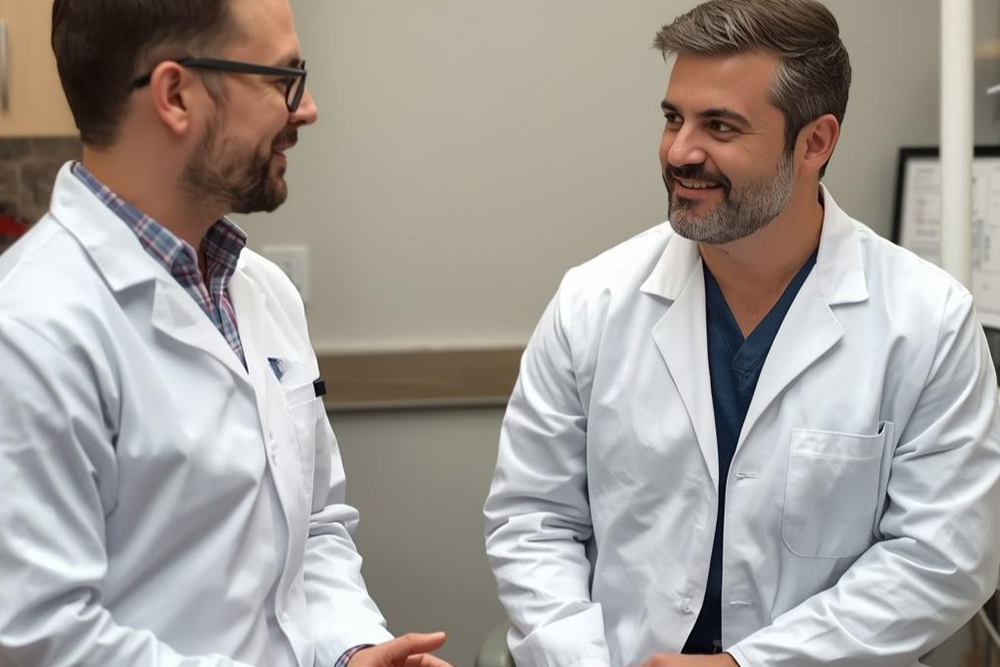
Choosing the right dental implant education pathway is one of the most important career decisions a dentist can make. At Fusion Implant Dentistry, a structured mentorship program has been developed to guide dentists through focused specialization tracks. Today, let's explore the dental implant education pathways available and how to choose the best fit for your practice goals.
Dental Implant Education Tracks Offered at Fusion Implant Dentistry
Generic implant training is no longer enough. Dentists today need focused dental implant education that develops deep expertise in specific areas. The Fusion Implant Dentistry mentorship program offers the following specialization tracks:
Available Dental Implant Education Pathways:
Mentorship program participants receive hands-on training across all three Ontario locations. Dentists gain real-world clinical experience in Dunnville, St. Catharines, and Stoney Creek under the direct guidance of a Diplomate of the American Board of Oral Implantology.
The most fundamental division in dental implant education separates surgical and prosthetic specializations. The Fusion Implant Dentistry mentorship program offers structured pathways in both areas.
Surgical Dental Implant Education Covers:
Prosthetic Dental Implant Education Covers:
Dentists who pursue dental implant education in both areas become truly self-sufficient implant providers. The Fusion Implant Dentistry mentorship program supports this complete skill development through structured, supervised clinical training.
Full mouth reconstruction is one of the most advanced dental implant education tracks offered through the Fusion Implant Dentistry mentorship program. This specialization prepares dentists to handle complex complete arch restoration cases.
Core Competencies Developed:
At Fusion Implant Dentistry, full mouth reconstruction cases are handled regularly across all three Ontario locations. This high case volume gives mentorship participants exceptional real-world exposure to complex dental implant education scenarios.
Aesthetic and functional dental implant education represent two distinct but complementary specializations within the Fusion Implant Dentistry mentorship program.
Aesthetic Dental Implant Education Focuses On:
Functional Dental Implant Education Focuses On:
The Fusion Implant Dentistry mentorship program integrates both perspectives to develop well-rounded implant specialists. Dentists learn to balance beautiful aesthetics with long-term functional success.
Selecting the right dental implant education specialization requires honest self-assessment and clear practice goals.
Questions to Guide Your Decision:
What the Fusion Implant Dentistry Mentorship Program Offers:
The dental implant education mentorship program at Fusion Implant Dentistry welcomes dentists at any stage of their implant journey. Whether starting out or advancing existing skills, the program provides a clear pathway to implant excellence.
At Fusion Implant Dentistry, the commitment to dental implant mentorship reflects a dedication to advancing the field. The practice's locations in Dunnville, St. Catharines, and Stoney Creek serve as training centers where dentists can develop their implant skills under expert guidance.
Contact Fusion Implant Dentistry today to learn more about the dental implant education mentorship program and find the specialization track that best fits your practice vision and goals.

Effective dental implant mentorship follows a structured progression that builds skills systematically from simple to complex procedures. As a dental implant specialist from Fusion Implant Dentistry who provides dental implant mentorship to other dentists, the importance of this graduated approach cannot be overstated. Today, let's explore how dental implant mentorship develops surgical competency through carefully planned skill progression.
Quality dental implant mentorship begins with foundational skills before advancing to complex cases. This systematic approach ensures dentists develop proper technique and clinical judgment at each level.
This progression in dental implant mentorship allows dentists to master each skill level before advancing. Rushing through stages compromises learning and potentially puts patients at risk.
At Fusion Implant Dentistry, dental implant mentorship follows evidence-based progression protocols. The practice provides mentorship to dentists across Ontario, with training opportunities available through the Dunnville, St. Catharines, and Stoney Creek locations.
Developing surgical precision requires hands-on practice under expert guidance. Dental implant mentorship provides the supervised experience necessary to build muscle memory and refine technique.
Each skill in dental implant mentorship builds upon previous learning. Mentors observe technique, provide immediate feedback, and help mentees refine their approach. This real-time guidance accelerates learning while maintaining patient safety.
One of the most valuable aspects of dental implant mentorship is learning to manage complications with expert guidance available. Even experienced surgeons encounter unexpected situations, and knowing how to respond is critical.
Dental implant mentorship teaches dentists to recognize complications early and respond appropriately. Mentors share their experience managing similar situations, providing context that textbooks cannot offer. This knowledge builds confidence and clinical judgment.
At Fusion Implant Dentistry, dental implant mentorship includes comprehensive complication management training. Mentees learn both prevention and intervention strategies through supervised clinical experience.
Surgical precision in implant dentistry requires developing muscle memory through repetitive practice. Dental implant mentorship provides the supervised repetition necessary to internalize proper technique.
Appropriate case selection is crucial for effective dental implant mentorship. Mentors carefully choose cases that match the mentee's current skill level while providing appropriate challenge.
This graduated approach in dental implant mentorship ensures continuous skill development without overwhelming mentees. Each successful case builds confidence for the next level of complexity.
The investment in quality dental implant mentorship pays dividends throughout a dentist's career. Properly trained dentists provide better patient outcomes and experience fewer complications.
At Fusion Implant Dentistry, the commitment to dental implant mentorship reflects a dedication to advancing the field. The practice's locations in Dunnville, St. Catharines, and Stoney Creek serve as training centers where dentists can develop their implant skills under expert guidance.
Dentists interested in dental implant mentorship can contact Fusion Implant Dentistry to learn about available training opportunities. The structured progression from simple to complex cases ensures comprehensive skill development in a supportive learning environment.
Remember, dental implant mentorship is an investment in both professional development and patient care quality. The skills developed through proper mentorship benefit every patient treated throughout a dentist's career.



Welcome to Fusion Implant Dentistry! Led by Dr. Sajid Syed, we specialize in advanced implant dentistry to enhance your smile and overall quality of life. Whether you need to replace a single tooth, secure a loose denture, or undergo a full mouth reconstruction, we provide personalized care to help you regain confidence and enjoy a healthier smile.